
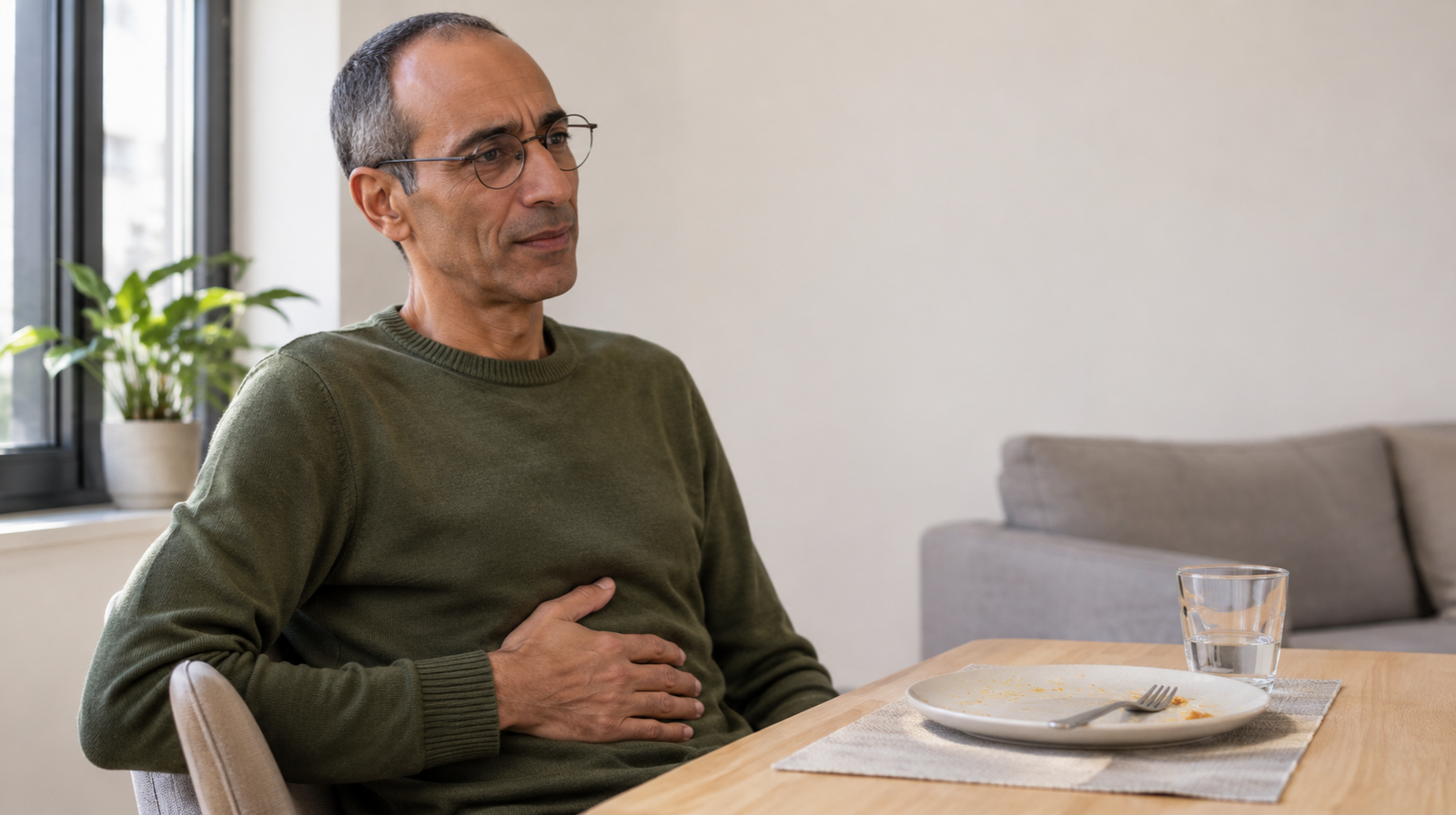
Persistent Diarrhea After Eating: Understanding the Causes and When to See a Doctor
Having to rush to the bathroom a few minutes after every meal can be more than an inconvenience. If it keeps happening, it may be a sign of a digestive disorder that can be treated. The good news is that most causes can be identified and treated. It’s important to take the problem seriously.
Changes in drinking water, diet, and routine can cause digestive problems when traveling or returning to Morocco. These problems are common and often clear up within a few days. But if diarrhea returns after every meal and continues after you get home, it’s time to look for the cause rather than assume it’s traveler’s diarrhea.
1. When Is Diarrhea Considered Persistent?
Acute diarrhea, which is often caused by an infection, clears up within a few days. According to the World Health Organization, diarrhea is considered persistent when it lasts 14 days or longer. If it lasts more than four weeks, doctors call it chronic diarrhea. In either case, you should see a doctor.
2. Why Can Eating Trigger Diarrhea?
After a meal, your intestines naturally become more active. This is called the gastrocolic reflex, and it explains why you may feel the urge to have a bowel movement shortly after eating. It’s a normal reflex. Problems can arise when the reflex is too strong or when a disorder interferes with how your intestines absorb nutrients or reabsorb digestive fluids.
3. The Most Common Causes
Diarrhea-Predominant Irritable Bowel Syndrome
Diarrhea-predominant irritable bowel syndrome (IBS-D) is one of the most common causes. It involves diarrhea, pain, and bloating, often made worse by certain foods or stress, with no visible damage to the intestine.
Bile Acid Malabsorption
Bile acids are produced by the liver and stored in the gallbladder. They are released after meals to help digest fats and are then reabsorbed. When reabsorption is impaired, bile acids draw water into the colon. NHS hospital guidance lists typical symptoms such as an urgent need to have a bowel movement shortly after eating, pale and watery stools, cramps, and foul-smelling gas.
This cause is often overlooked. A systematic review (Wedlake et al., 2009) suggests that a substantial proportion of people diagnosed with IBS-D actually have bile acid malabsorption. It can also occur in people with Crohn’s disease or after gallbladder removal or intestinal surgery.
Food Intolerances and Absorption Disorders
- Lactose intolerance can cause diarrhea about 30 to 60 minutes after consuming dairy products.
- Celiac disease is an immune reaction to gluten that damages the lining of the intestine.
- Pancreatic insufficiency occurs when the pancreas produces too few enzymes, making it harder to digest fats properly.
Other Possible Causes
- Persistent infections, such as giardiasis.
- Inflammatory bowel diseases, such as Crohn’s disease and ulcerative colitis, as well as microscopic colitis.
- Hyperthyroidism.
- Side effects of certain medications.
- Dumping syndrome after stomach surgery.
4. Warning Signs
Seek medical care promptly if you notice any of the following.
- Blood in your stool or black stools.
- Unintentional weight loss.
- Diarrhea that wakes you up at night.
- Fever or severe abdominal pain.
- Signs of dehydration, including a dry mouth, dizziness, and passing small amounts of dark urine.
- Symptoms that first appear after age 50 or a family history of colorectal cancer.
5. What Tests Might Your Doctor Order?
Depending on your symptoms, your doctor may order blood tests, including a blood count, thyroid and liver tests, and antibody tests for celiac disease. They may also order stool tests, imaging, or a colonoscopy. Bile acid malabsorption can be confirmed with a specific test or a trial of treatment.
6. What Can You Do in the Meantime?
- Stay well hydrated and use an oral rehydration solution if needed.
- Keep a food diary to identify foods that trigger your symptoms.
- Cut back on high-fat meals and fried foods, which are often poorly tolerated.
- Avoid prolonged self-medication. An antidiarrheal medication may relieve symptoms, but it cannot replace a diagnosis.
Treatment depends on the cause. It may involve dietary changes, medications that bind bile acids, pancreatic enzymes, or treatment for an inflammatory condition. Your doctor should prescribe the treatment.
7. How Persistent Diarrhea Affects Daily Life
Looking for bathrooms before going out, avoiding restaurants, and turning down invitations are some of the ways chronic diarrhea can affect your social and work life. Many people feel uncomfortable talking about it, even though it’s a common reason to see a doctor. Describing your symptoms in detail can help your doctor make the right diagnosis. Explain how soon they start after eating, what your stools look like, which foods seem to trigger them, and how often they occur.
8. Which Specialist Should You See in Morocco?
Start with a general practitioner, who can perform an initial assessment. A gastroenterologist can help if your diarrhea persists, you have warning signs, or you need a colonoscopy. A dietitian can then help you adjust your diet while avoiding nutritional deficiencies. You can get oral rehydration solutions from on-duty pharmacies, which are open at night and on weekends. In case of severe dehydration or a large amount of blood in your stool, call 141 (SAMU) or 15 (Civil Protection).
9. Frequently Asked Questions
Is It Normal to Need the Bathroom Right After Eating?
An occasional urge to have a bowel movement is normal and can be explained by the gastrocolic reflex. If you consistently have diarrhea after eating for more than two weeks, see a doctor.
Can You Have Diarrhea After Gallbladder Removal?
Yes. Gallbladder removal is a recognized cause of bile acid malabsorption, which can be treated.
Which Specialist Should You See?
See your general practitioner first, then a gastroenterologist if needed.
10. Conclusion
You don’t have to live with diarrhea after every meal. Whether the cause is irritable bowel syndrome, bile acid malabsorption, a food intolerance, or inflammation, treatment depends on what’s causing your symptoms. The first step is to talk to a doctor.
If your diarrhea persists, take it seriously. Book an appointment with a gastroenterologist through Docdialy, either in person or by teleconsultation.
Book an appointment on Docdialy
docdialy.com/gastro-enterologue · docdialy.com/teleconsultation
References
- World Health Organization. Diarrhoeal disease. Fact sheet. who.int
- NHS, University Hospitals Sussex. Bile salt diarrhoea. Patient information. uhsussex.nhs.uk
- NHS, University Hospitals Coventry & Warwickshire. Dietary advice for bile acid diarrhoea. uhcw.nhs.uk
- Wedlake L. et al. Systematic review: prevalence of idiopathic bile acid malabsorption in IBS-D. Aliment Pharmacol Ther, 2009. PubMed.
- NIDDK (NIH). Diarrhea. niddk.nih.gov
This article is provided for informational purposes and does not replace a medical consultation.