
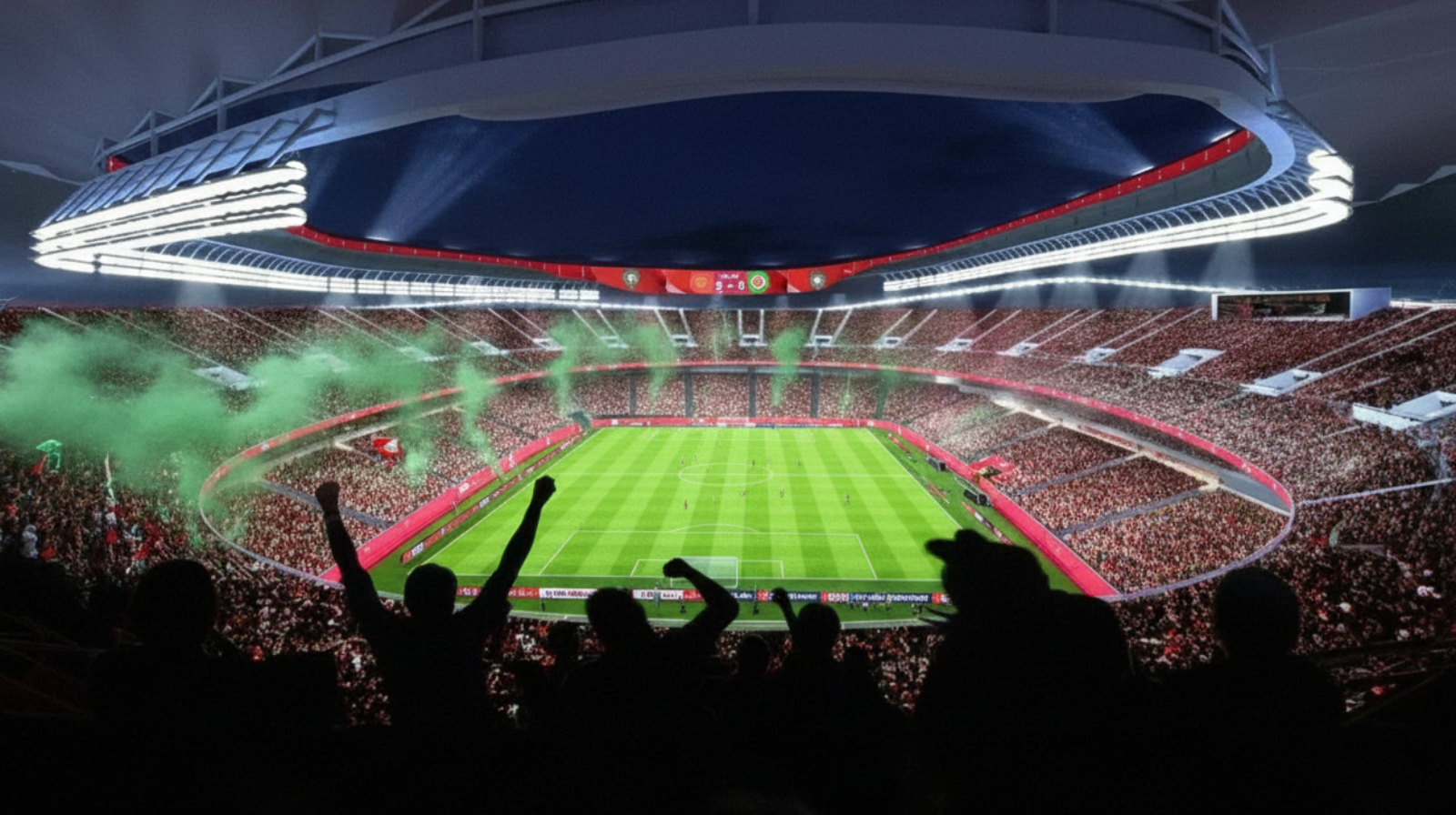
Late-Night Matches, Fatigue, and Sleep Deprivation: Effects on Health
During major sporting competitions, the popularity of late-night matches increases significantly, turning sports evenings into a daily collective ritual. While this seasonal habit is convivial and entertaining, it places repeated pressure on natural sleep schedules. It therefore raises a real public health concern related to sleep deprivation and fatigue, especially when these late nights extend over several weeks without adequate recovery.
Why do late-night matches lead to sleep deprivation?
Late bedtimes and disruption of the biological clock
Staying up late to watch matches directly conflicts with the body’s circadian rhythm, which regulates the sleep–wake cycle. This disruption is even more pronounced when bedtime varies from one day to another, interfering with the secretion of melatonin, the hormone responsible for initiating sleep. As a result, sleep becomes lighter and less restorative. This phenomenon is commonly described as a circadian rhythm disorder.
The impact of light and screens before sleep
Prolonged exposure to screens, particularly the blue light emitted by televisions and smartphones, suppresses melatonin production and delays sleep onset. Even after turning off the screen, the brain often remains in a state of alertness, making it harder to achieve quality sleep. This effect is well documented in medical literature on staying awake late and watching matches.
Nervous system stimulation during matches
The emotional intensity of sporting events—stress, suspense, excitement—stimulates the nervous system and increases adrenaline secretion. This state of hyperarousal frequently prevents rapid sleep onset after the match ends, contributing to veiller tard et manque de sommeil.
How does sleep deprivation affect the body?
Impact on concentration and memory
Sleep deprivation negatively affects cognitive functions, particularly concentration, short-term memory, and decision-making ability. Even a single night of insufficient sleep can lead to a noticeable decline in mental performance the following day, illustrating the strong link between sleep deprivation and concentration loss.
Physical fatigue and chronic exhaustion
From a physical standpoint, lack of sleep causes persistent fatigue and reduces muscle recovery capacity. When this situation persists, it can progress to chronic fatigue, affecting overall quality of life.
Hormonal imbalance and appetite regulation
Sleep deprivation disrupts the balance of hormones involved in appetite regulation, increasing hunger signals and promoting unhealthy, high-calorie food choices.
Sleep deprivation and cardiovascular health
Increased blood pressure
Insufficient sleep prevents the body from benefiting from the nighttime relaxation phase required to regulate blood pressure, potentially leading to a gradual increase in hypertension. This illustrates the effect of sleep deprivation on the heart.
Accelerated heart rate under stress
Stress and excitement related to matches may cause an increased heart rate, particularly in individuals who already have cardiovascular risk factors.
Populations at higher risk
People with hypertension, heart disease, diabetes, and older adults are more vulnerable to the cardiovascular effects of repeated sleep deprivation.
Effects of sleep deprivation on immunity and general health
Weakened immune system
Sleep plays a crucial role in immune system function. Sleep deprivation reduces the body’s ability to defend itself against infectious agents, highlighting the link between sleep deprivation and immunity.
Increased risk of infections
Individuals who sleep poorly are more susceptible to infections, especially respiratory illnesses, due to a weakened immune response.
Link between sleep and inflammation
Sleep deprivation is also associated with elevated inflammatory markers in the body, which may worsen certain chronic diseases.
Who is most affected by sleep deprivation related to late-night matches?
Children and adolescents
Children and teenagers have increased sleep needs. Lack of rest can affect their concentration, behavior, and academic performance.
Employees and intellectually demanding professions
Among working adults, sleep deprivation often results in reduced productivity, increased errors, and heightened mental fatigue.
People with chronic diseases
Patients with heart disease or diabetes may experience further deterioration of their health when exposed to repeated sleep deprivation.
Signs that sleep deprivation is affecting your health
Persistent daytime sleepiness
Excessive daytime sleepiness, despite consuming coffee or stimulants, is a common warning sign.
Headaches and mood changes
Sleep deprivation promotes headaches, irritability, and mood swings.
Reduced concentration and performance
Difficulties concentrating and a decline in intellectual or professional performance can appear rapidly.
How can you limit the negative effects of late nights during competitions?
Organizing sleep schedules
Maintaining consistent bedtimes and wake-up times as much as possible helps reduce circadian rhythm disruption.
Restorative naps
A short daytime nap, lasting no more than 20–30 minutes, can partially compensate for nighttime sleep loss.
Reducing stimulants in the evening
Limiting coffee, tea, and energy drinks in the evening makes it easier to fall asleep after matches.
Hydration and light meals
Adequate hydration and lighter evening meals contribute to more comfortable and restorative sleep.
When should you consult a doctor?
Persistent insomnia
If sleep disturbances continue beyond the competition period, medical consultation is recommended.
Palpitations or chest pain
The onset of palpitations, chest pain, or shortness of breath requires prompt medical attention.
Severe unexplained fatigue
Severe and persistent fatigue without an obvious cause should also prompt a medical consultation.
Ultimately, watching matches remains a pleasure shared by many, but protecting one’s health is essential. If you notice that sleep deprivation is beginning to affect your well-being or your overall health, you can easily book an appointment with a healthcare professional through the Docdialy platform to receive appropriate medical support.