
High Blood Pressure: The Silent Disease You Should Never Ignore
High blood pressure, also known as hypertension, is often called the "silent killer." It can develop for years without causing noticeable symptoms while gradually damaging the heart, arteries, kidneys, and brain. According to health estimates, nearly one in three adults in Morocco has high blood pressure, and many are unaware they have it.
Early detection and proper treatment can significantly reduce the risk of life-threatening complications. Here's everything you need to know about high blood pressure in Morocco.
What Is Blood Pressure?
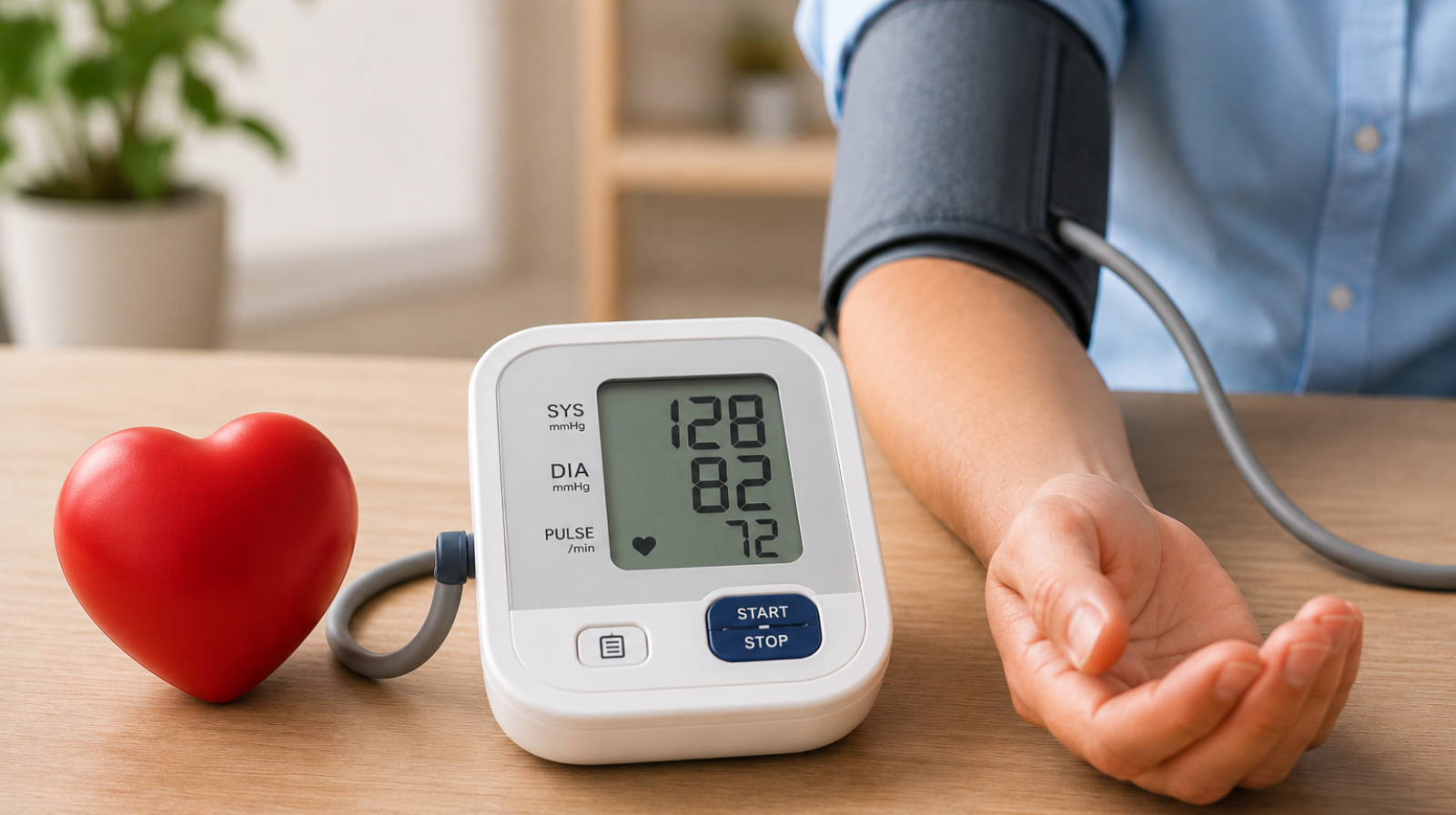
Blood pressure measures the force of blood pushing against the walls of your arteries as your heart pumps blood throughout your body. It is recorded using two numbers:
-
Systolic blood pressure (top number): the pressure when the heart contracts.
-
Diastolic blood pressure (bottom number): the pressure when the heart relaxes between beats.
A normal blood pressure is around 120/80 mmHg.
A person is considered to have high blood pressure (hypertension) when blood pressure readings are consistently 140/90 mmHg or higher.
High Blood Pressure Symptoms: Why Is Hypertension So Dangerous?
One of the biggest dangers of hypertension is that it usually causes no symptoms until serious damage has already occurred.
Some people may experience:
-
Persistent headaches, especially in the morning
-
Dizziness
-
Ringing in the ears (tinnitus)
-
Blurred vision or seeing flashes of light
-
Frequent nosebleeds
-
Unusual fatigue
-
Heart palpitations
However, these symptoms are not specific to high blood pressure and may easily be overlooked.
The only reliable way to know if you have hypertension is to have your blood pressure checked regularly.
Risk Factors for High Blood Pressure
Several factors increase the risk of developing hypertension:
-
Age (risk increases after age 50)
-
Family history of high blood pressure
-
Overweight and obesity
-
Physical inactivity
-
High-salt diet
-
Smoking
-
Excessive alcohol consumption
-
Chronic stress
-
Diabetes
-
Chronic kidney disease
Understanding these risk factors can help prevent hypertension before complications occur.
Complications of Untreated High Blood Pressure
Without treatment, hypertension can seriously damage multiple organs and lead to:
-
Stroke
-
Heart attack (myocardial infarction)
-
Heart failure
-
Kidney failure
-
Vision loss caused by hypertensive retinopathy
-
Cognitive decline and dementia over time
These complications often develop gradually, making regular screening essential.
How Is High Blood Pressure Diagnosed?
A diagnosis of hypertension requires multiple blood pressure measurements taken during different medical visits.
Your doctor may also recommend additional tests to evaluate possible organ damage, including:
-
Blood tests
-
Urine analysis
-
Electrocardiogram (ECG)
-
Echocardiogram
-
Kidney function tests
These examinations help determine the severity of hypertension and guide treatment.
How to Treat High Blood Pressure
1. Healthy Lifestyle Changes
For many patients, lifestyle improvements are the first step toward controlling blood pressure.
Doctors usually recommend:
-
Reducing salt intake to less than 5 grams per day
-
Eating a balanced diet rich in fruits and vegetables
-
Exercising for at least 30 minutes a day, five days a week
-
Quitting smoking
-
Limiting alcohol consumption
-
Managing stress through relaxation techniques
-
Maintaining a healthy body weight
These habits can significantly lower blood pressure and improve overall cardiovascular health.
2. Blood Pressure Medication
When lifestyle changes alone are not enough, your doctor may prescribe antihypertensive medications.
Several types of blood pressure medications are available, including:
-
ACE inhibitors
-
Beta-blockers
-
Diuretics
-
Calcium channel blockers
-
Angiotensin receptor blockers (ARBs)
Treatment is personalized according to each patient's age, medical history, and cardiovascular risk.
Never stop taking blood pressure medication without consulting your healthcare provider.
Which Doctor Should You See for High Blood Pressure in Morocco?
Depending on your condition, different specialists can help manage hypertension.
General Practitioner (Family Doctor)
Your first point of contact for:
-
Blood pressure screening
-
Initial diagnosis
-
Routine follow-up
-
Preventive care
Book an appointment:https://docdialy.com/en/s?speciality=General+medicine&type=is_office
Cardiologist
A cardiologist is recommended for:
-
Severe or resistant hypertension
-
Heart disease evaluation
-
Hypertension-related complications
Book a cardiologist in Morocco:https://docdialy.com/en/s?speciality=Cardiologist&type=is_office
Nephrologist
Consult a nephrologist if kidney disease is suspected or hypertension has affected kidney function.
Find a nephrologist:https://docdialy.com/en/s?speciality=Nephrologist&type=is_office
How to Prevent High Blood Pressure
Even if your blood pressure is currently normal, adopting healthy habits can greatly reduce your future risk.
Prevention includes:
-
Maintaining a healthy weight
-
Staying physically active
-
Eating less salt
-
Following a heart-healthy diet
-
Managing stress
-
Avoiding tobacco
-
Limiting alcohol
-
Having your blood pressure checked regularly
Frequently Asked Questions About High Blood Pressure
Can hypertension go away?
In some cases, blood pressure can return to healthy levels through weight loss, exercise, and dietary improvements. However, many people require lifelong treatment.
Is high blood pressure hereditary?
Yes. Having close relatives with hypertension increases your risk, although lifestyle also plays a major role.
How often should blood pressure be checked?
Adults should have their blood pressure checked at least once a year. People with risk factors or existing hypertension may need more frequent monitoring.
Conclusion
High blood pressure is one of the leading causes of heart disease, stroke, and kidney failure—but it is also one of the most preventable and manageable chronic conditions.
Because hypertension often develops without symptoms, regular blood pressure checks are essential. Early diagnosis, healthy lifestyle changes, and appropriate treatment can dramatically reduce the risk of serious complications.
Take control of your heart health today. Schedule an appointment with a general practitioner or cardiologist in Morocco through Docdialy and get your blood pressure checked before problems arise.
Book a cardiologist in Morocco:https://docdialy.com/en/s?speciality=Cardiologist&type=is_office