
Fetal Macrosomia: Understanding When Your Baby Is Larger Than Average
When an ultrasound or fundal height measurement indicates that a baby is larger than expected for their gestational age, the medical term used is fetal macrosomia. This condition, often identified toward the end of pregnancy, can raise concerns among expectant mothers. Understanding its causes, potential risks, and appropriate monitoring can help parents approach the final stages of pregnancy and childbirth with greater confidence.
What Is Fetal Macrosomia?
Fetal macrosomia refers to a condition in which a baby's estimated or actual birth weight exceeds 4,000 grams (4 kg), regardless of gestational age.
When a baby's weight exceeds the 90th percentile for their gestational age, the baby is described as large for gestational age (LGA). Some obstetricians use a threshold of 4,500 grams to define severe macrosomia.
Causes of Fetal Macrosomia
1. Gestational Diabetes and Pre-existing Diabetes
Diabetes is one of the most common and well-documented risk factors for fetal macrosomia. Excess glucose in the mother's bloodstream crosses the placenta and stimulates fetal insulin production. Insulin acts as a growth-promoting hormone, encouraging fat storage and excessive fetal growth.
Poorly controlled gestational diabetes may increase the risk of macrosomia by two to three times.
2. Maternal Overweight and Obesity
A high body mass index (BMI) before pregnancy is associated with an increased risk of macrosomia, independently of diabetes. This may be related to underlying insulin resistance and increased nutritional intake.
3. Excessive Weight Gain During Pregnancy
Gaining more weight than recommended for one's pre-pregnancy BMI increases the risk of fetal macrosomia.
4. Previous History of Macrosomia
Women who have previously given birth to a baby with macrosomia have a higher risk of experiencing the same condition in subsequent pregnancies.
5. Multiple Previous Pregnancies
Babies tend to be slightly larger with successive pregnancies.
6. Prolonged Pregnancy
A pregnancy extending beyond 41–42 weeks of gestation allows continued fetal growth, increasing the likelihood of macrosomia.
7. Genetic and Ethnic Factors
Parental height and body build, along with certain genetic factors, can influence a baby's birth weight.
8. Male Fetal Sex
Statistically, male babies have a slightly higher average birth weight than female babies.
How Is Fetal Macrosomia Detected?
-
Fundal height measurement during prenatal visits: A measurement above the expected range for gestational age may alert the healthcare provider.
-
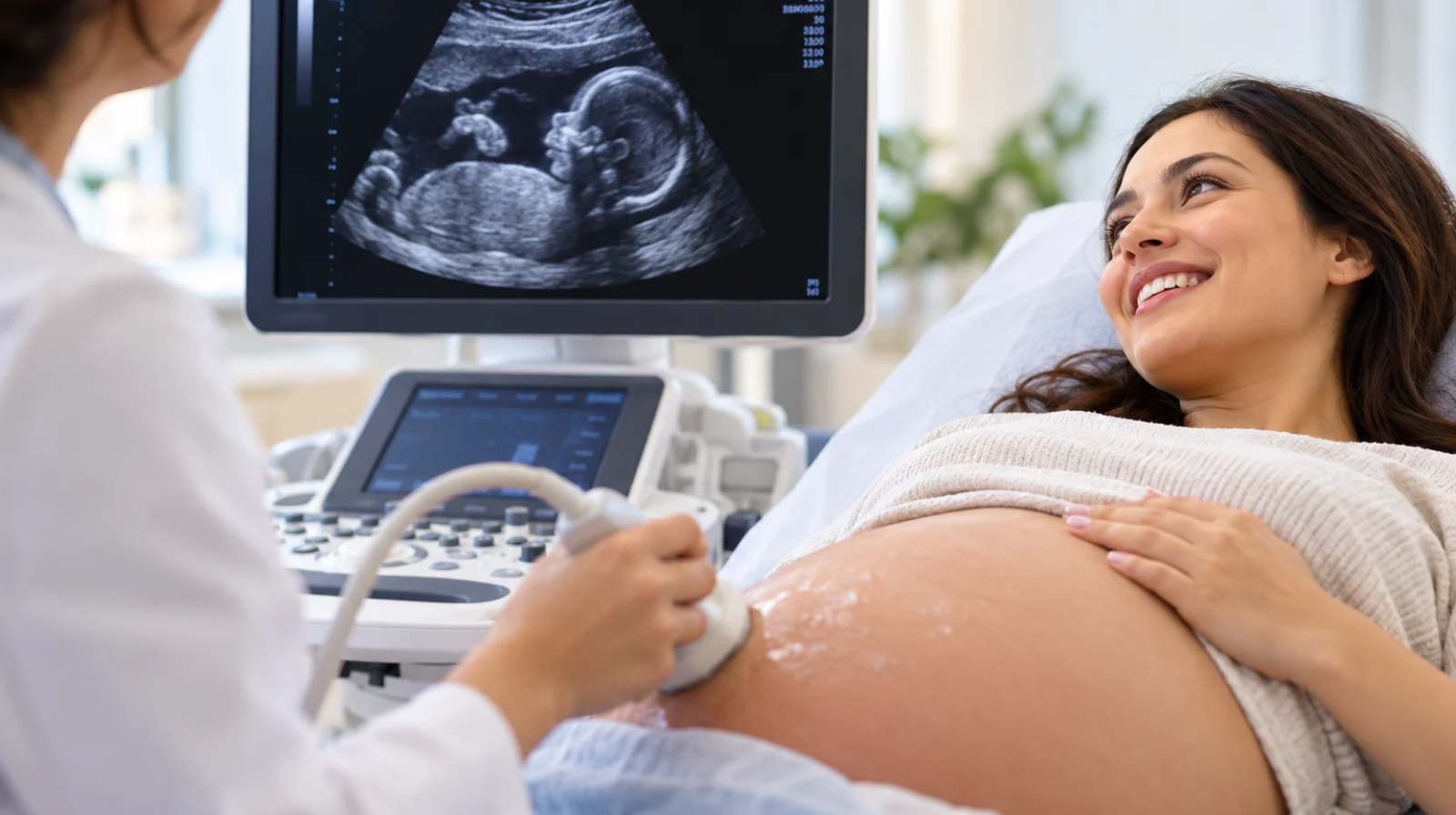
Third-trimester ultrasound: Fetal weight is estimated using biometric measurements, including biparietal diameter, abdominal circumference, and femur length.
-
Gestational diabetes screening between 24 and 28 weeks of pregnancy: An important preventive measure, depending on individual risk factors and medical recommendations.
Important: Ultrasound estimates of fetal weight generally have a margin of error of approximately 10–15%. Therefore, fetal macrosomia cannot be diagnosed with absolute certainty before birth.
Risks Associated With Fetal Macrosomia
Risks for the Mother
-
More severe perineal tears during vaginal delivery.
-
Postpartum hemorrhage, as the uterus may have greater difficulty contracting after delivering a large baby.
-
Increased likelihood of cesarean delivery.
-
The need to investigate possible undiagnosed or poorly controlled gestational diabetes.
Risks for the Baby
-
Shoulder dystocia: One of the most concerning complications, occurring when the baby's shoulders become stuck after the head has been delivered, requiring immediate specialized obstetric maneuvers.
-
Clavicle fracture or brachial plexus injury: Damage to the collarbone or nerves controlling the arm that may occur during childbirth.
-
Neonatal hypoglycemia: Babies exposed to high insulin levels in the womb may experience a drop in blood glucose after birth, requiring monitoring.
-
Temporary respiratory distress.
-
Increased risk of obesity and type 2 diabetes later in life: Potentially associated with fetal metabolic programming.
Management and Monitoring
During Pregnancy
-
Screening for gestational diabetes and maintaining strict blood glucose control when diagnosed.
-
Following an appropriate nutritional plan without extreme dietary restrictions, while limiting excessive intake of rapidly absorbed sugars.
-
Engaging in regular, pregnancy-appropriate physical activity unless medically contraindicated.
-
Undergoing follow-up ultrasounds to monitor estimated fetal growth.
Choosing the Mode of Delivery
When fetal macrosomia is strongly suspected (estimated fetal weight above 4,500 g, particularly in the presence of diabetes), the obstetric team discusses the safest delivery option.
Depending on the overall clinical situation, this may involve vaginal delivery with enhanced monitoring or a planned cesarean section.
Factors considered include maternal pelvic characteristics, previous obstetric history, fetal position, and other potential risks.
The decision is always individualized and discussed with the obstetrician-gynecologist, taking all relevant risk factors into account.
Which Specialist Should You Consult in Morocco?
-
Obstetrician-Gynecologist: For pregnancy monitoring and decisions regarding the mode of delivery → docdialy.com/gynecologist
-
Endocrinologist: For managing gestational diabetes and maintaining appropriate blood glucose levels → docdialy.com/endocrinologist
-
Dietitian: For personalized nutritional guidance throughout pregnancy → docdialy.com/dietitian
Conclusion
Fetal macrosomia is a relatively common condition that can generally be managed effectively when identified early and monitored appropriately.
Early screening for gestational diabetes and tailored obstetric care can help reduce potential risks for both mother and baby.
If your ultrasound indicates that your baby is larger than average, consult an obstetrician-gynecologist through Docdialy to ensure appropriate pregnancy monitoring.
→ Find an obstetrician-gynecologist in Morocco:docdialy.com/gynecologist