
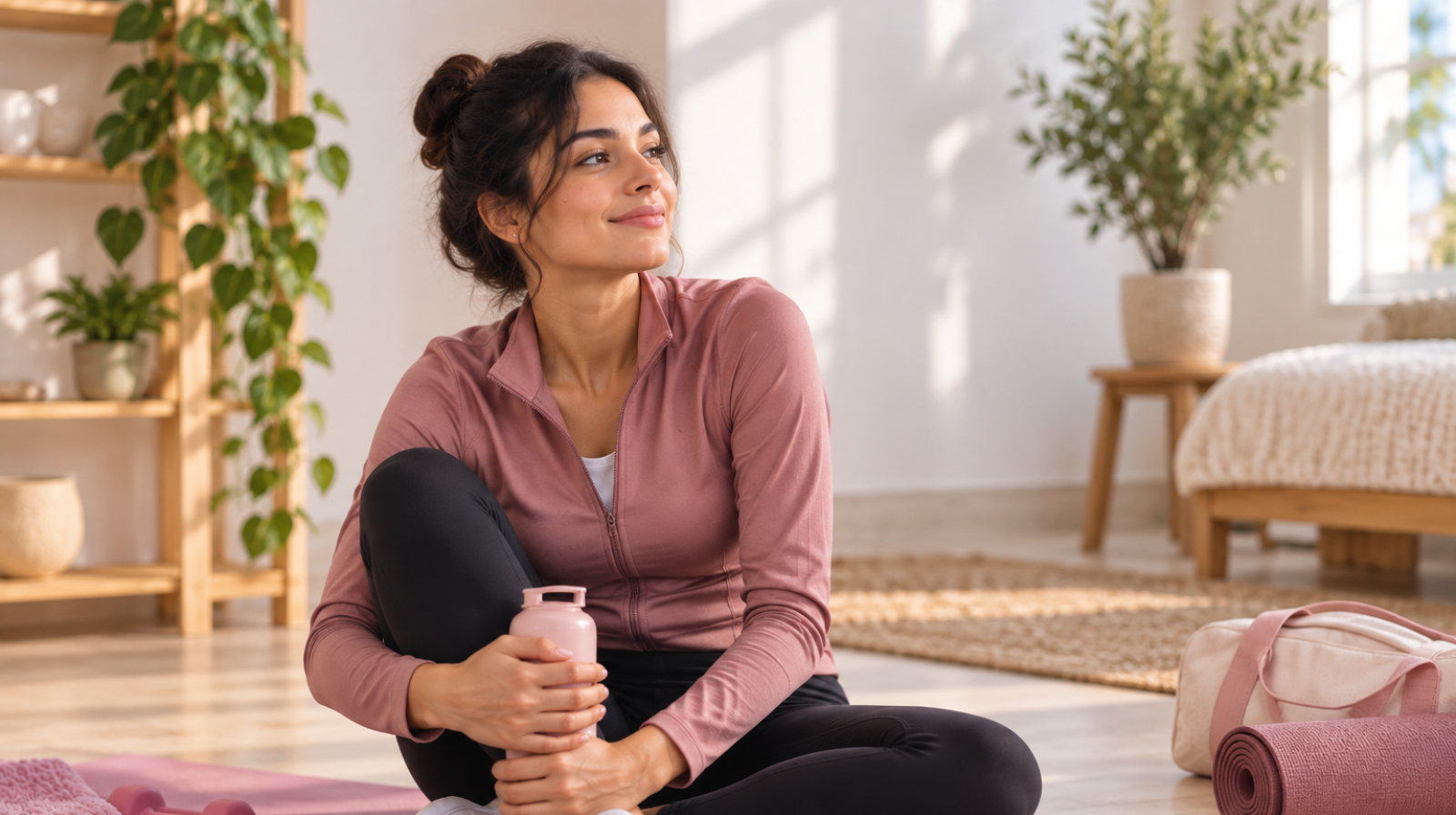
Exercising During Menstruation: What Science Says
Fatigue, cramps, bloating, mood swings... many women instinctively avoid exercise during their period. Yet scientific research shows that physical activity can actually relieve many menstrual symptoms. Here is what you need to know about adapting your workouts to your menstrual cycle, without guilt or unnecessary restrictions.
What Happens to the Body During Your Period?
Your period occurs when the uterine lining (endometrium), prepared for a possible pregnancy, is shed when fertilization does not occur. This process is accompanied by uterine contractions (which cause cramps), hormonal fluctuations (a drop in estrogen and progesterone), and sometimes iron loss, which can lead to temporary fatigue.
The Proven Benefits of Exercising During Menstruation
1. Reducing Menstrual Pain (Dysmenorrhea)
Physical exercise stimulates the production of endorphins, hormones that act as natural painkillers and mood boosters. Several clinical studies show that moderate physical activity can significantly reduce the intensity of menstrual cramps, sometimes with effects comparable to those of certain mild painkillers.
2. Improving Blood Circulation
Movement promotes blood circulation in the pelvic area, which may help reduce congestion and the feeling of abdominal heaviness often experienced during menstruation.
3. Reducing Bloating
Physical activity stimulates intestinal movement and lymphatic circulation, helping reduce the feeling of bloating that is often experienced during your period.
4. Improving Mood
Hormonal fluctuations during menstruation can be accompanied by irritability or low mood. Exercise stimulates the production of serotonin and dopamine, naturally helping improve mood and reduce anxiety.
5. Better Sleep Quality
Moderate physical activity during the day can promote deeper sleep, which may be disrupted during your period because of pain or discomfort.
Adapting Exercise to the Different Phases of the Menstrual Cycle
Menstrual Phase (Days 1–5)
Prioritize gentle to moderate activities such as brisk walking, yoga, light swimming, relaxed cycling, and stretching. These activities can help relieve cramps without overexerting a body that may already be affected by menstrual blood loss.
Follicular Phase (After Your Period)
Estrogen levels rise and energy generally increases. This can be a good time for more intense workouts, including cardio, strength training, and endurance sports.
Ovulation
For many women, energy and strength peak around ovulation. This is often the phase when athletic performance may be at its best.
Luteal Phase (Before Your Period)
Progesterone levels increase and energy may decrease slightly. Some women also experience premenstrual syndrome (PMS) symptoms. Adjust the intensity according to how you feel: Pilates, yoga, and moderate cardio can remain excellent options.
The Best Exercises to Do During Your Period
• Brisk walking and light hiking
• Yoga, particularly poses that promote pelvic circulation (gentle twists and gentle inversions)
• Swimming (with appropriate menstrual protection)
• Pilates
• Moderate-intensity cycling
• Stretching and flexibility exercises
Precautions and Warning Signs
• Listen to your body: reduce the intensity if you experience significant fatigue or severe pain
• Stay well hydrated, especially if your menstrual bleeding is heavy
• Avoid intense abdominal hyperextension exercises if you experience severe cramps
• Choose menstrual protection appropriate for your activity level (menstrual cup, sports tampons)
• If severe menstrual pain (dysmenorrhea) prevents you from exercising, consult a gynecologist
When Is Exercise Not Recommended?
Certain situations may require modifying or temporarily stopping physical activity:
• Severe endometriosis with disabling pain
• Significant iron-deficiency anemia (extreme fatigue, dizziness)
• Heavy menstrual bleeding requiring medical evaluation
• New or unusual pelvic pain
Which Specialist Should You See in Morocco?
• Gynecologist: for unusual or disabling menstrual pain → docdialy.com/gynecologist
• General practitioner: for an initial medical assessment → docdialy.com/medecin-generaliste
• Endocrinologist: for associated hormonal disorders → docdialy.com/endocrinologist
Conclusion
Far from being contraindicated, exercising during menstruation is generally beneficial: it can reduce pain, improve mood, and promote overall well-being. The key is to adjust the intensity according to how you feel and where you are in your menstrual cycle, without forcing yourself or feeling guilty.
If you experience unusual menstrual pain, consult a gynecologist on Docdialy.
→ Find a gynecologist in Morocco: docdialy.com/gynecologist