
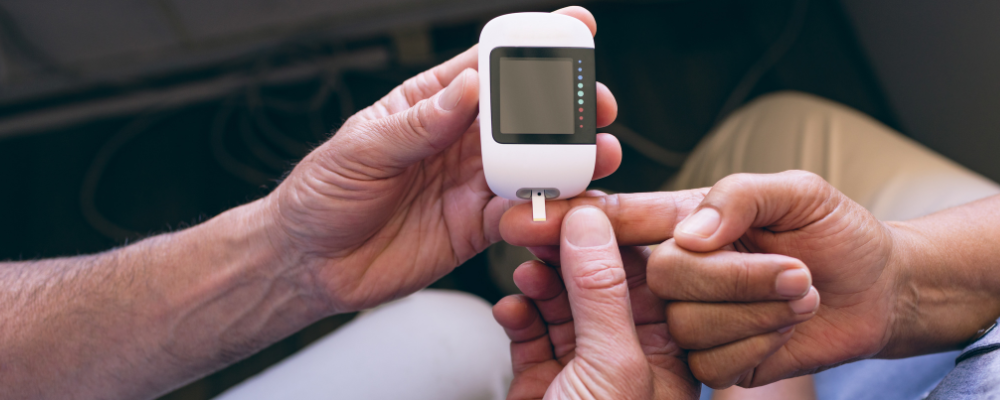
Discover our essential tips for a safe and diabetes-friendly fast in Morocco.
Consult your doctor and follow our recommendations to safeguard your health.
The month of Ramadan is a spiritually significant time for millions of Muslims around the world, including in Morocco. However, for people with diabetes, fasting can pose significant challenges due to blood sugar fluctuations. It is therefore crucial to adopt an appropriate approach to balance faith and health.
1. Diabetes and fasting: consult your doctor before you begin
Diabetes, whether type 1 or type 2, directly impacts blood sugar regulation. Fasting changes eating habits, which can lead to hyperglycemia or hypoglycemia.
Why is a medical consultation essential?
-
Assess the ability to fast safely.
-
Adjust treatments (insulin, oral medications) to prevent complications.
-
Receive personalized advice on blood sugar monitoring.
2. Adopt a balanced diet to stabilize blood sugar
During Ramadan, managing your diet is essential to maintaining stable blood sugar levels. Here are some recommendations:
-
Favor complex carbohydrates: Whole grains, vegetables, legumes—they release energy slowly and prevent blood sugar spikes.
-
Prioritize lean proteins: Fish, eggs, poultry, low-fat yogurt for a lasting feeling of satiety.
-
Avoid fast sugars and fried foods: Cakes, sugary drinks, pastries… They cause sudden blood sugar spikes.
-
Stay properly hydrated: Drink plenty of water between iftar (breaking the fast) and suhoor (the last meal before dawn) to avoid dehydration.
3. Adjudsting medical treatment during fasting
People on insulin or oral medications must adjust their doses to prevent dangerous blood sugar fluctuations.
-
Insulin: Doses may need to be reduced or adjusted. Consult your doctor to establish a suitable plan.
-
Oral medications: Some treatments must be taken with food to avoid the risk of hypoglycemia.
👉 Docdialy makes remote medical follow-up easy. Get personalized support throughout Ramadan.
4. Physical activity: move in moderation
Physical activity helps regulate blood sugar, but it should be adapted:
-
Favor light walking after iftar.
-
Avoid intense exercise to prevent hypoglycemia.
-
Listen to your body and rest if you feel fatigued.
5. Recognizing warning signs
It is crucial to know the symptoms of hypoglycemia and hyperglycemia to act quickly:
-
Hypoglycemia: Sweating, tremors, fatigue, dizziness.
-
Hyperglycemia: Intense thirst, frequent urination, blurred vision, extreme fatigue.
👉 If these signs appear, stop fasting immediately and consult a doctor.
6. What if i cannot fast?
For some people with diabetes, fasting remains too risky despite all possible adjustments. Since health is a priority in Islam, religion provides exemptions (fidya) for those who cannot fast without endangering their health.
👉 Docdialy supports you in monitoring your health online, even if you cannot fast.
A safe and adapted fast is possible
Fasting with diabetes requires medical preparation, a balanced diet, and attentive listening to your body. With Docdialy, benefit from simplified and accessible medical follow-up anywhere in Morocco to ensure a safe and healthy fast.
✨ Docdialy, by your side for your best health, even during Ramadan.