
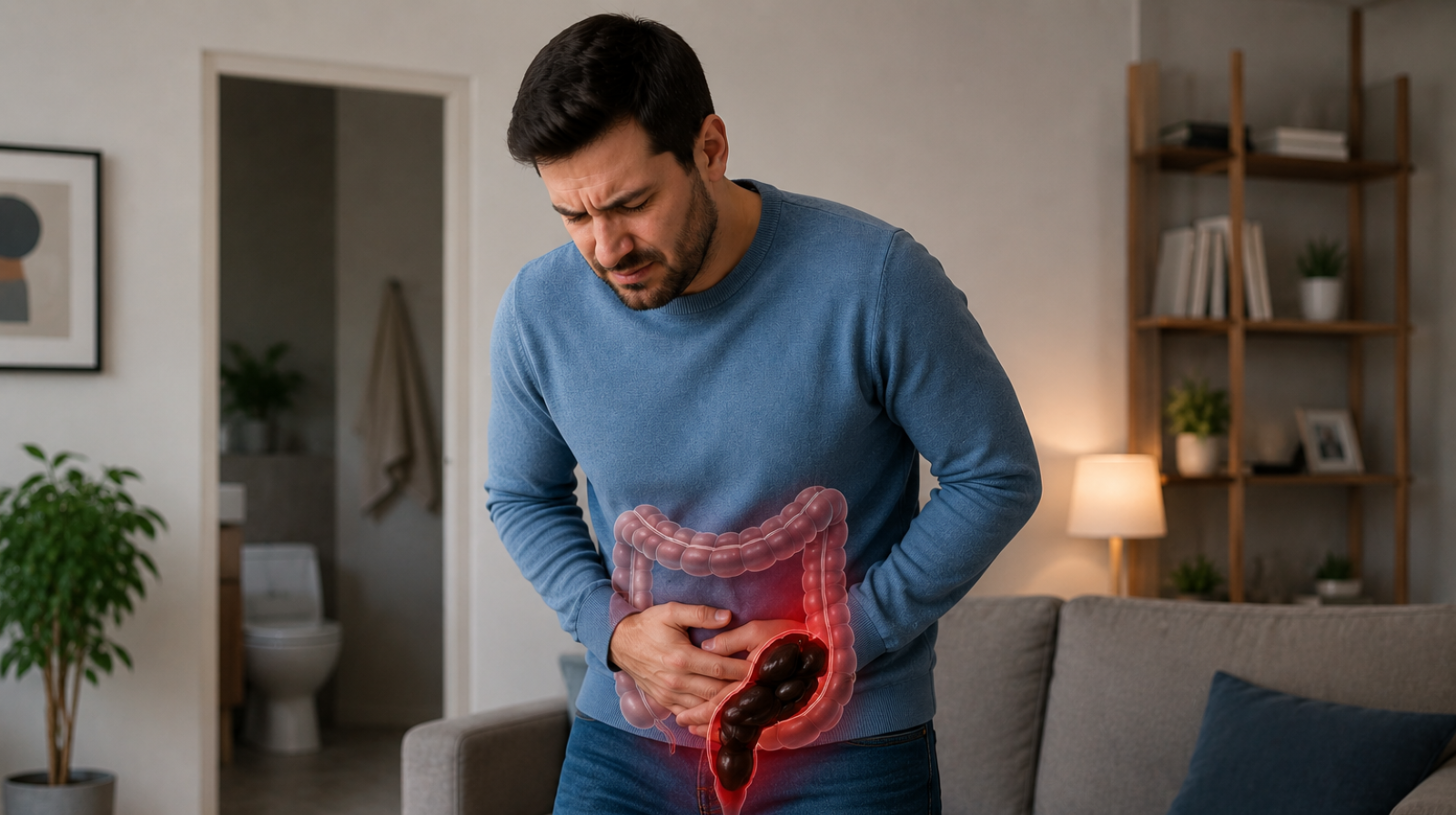
Black Stools: Causes, Warning Signs, Diagnosis, and Treatment
A temporary change in stool color is usually nothing to worry about. Certain foods, supplements, and medications can make stools appear darker than usual. However, persistent black stools, especially when accompanied by a strong odor or other symptoms, may indicate bleeding in the digestive tract.
This article explains the most common causes of black stools, when they should be considered a medical emergency, how the condition is diagnosed, and the available treatment options.
What Are Black Stools?
Black stools, also known as melena, are not a disease themselves but rather a symptom. They may result from digested blood originating from the upper part of the digestive tract, including the esophagus, stomach, or duodenum. In other cases, black stools may simply be caused by certain medications or foods that naturally darken stool color.
You should seek medical advice if:
- The black color persists for several days.
- The stools have a strong, foul-smelling odor.
- You have a history of gastrointestinal bleeding.
What Causes Black Stools?
Iron Supplements and Bismuth-Based Medications
Iron supplements commonly prescribed for anemia and medications containing bismuth subsalicylate can cause stools to appear black. This effect is generally harmless and usually resolves once the medication is adjusted or discontinued under medical supervision.
Gastric or Duodenal Ulcers
When an ulcer in the stomach or duodenum bleeds, the blood mixes with stomach acid and turns black as it passes through the digestive system. The resulting stool is often black, shiny, and sticky.
Common associated symptoms include:
- Heartburn
- Indigestion
- Nausea
- Upper abdominal pain
Prompt medical evaluation is recommended.
Ulcerative Colitis
Ulcerative colitis is a chronic inflammatory bowel disease that can cause ulcers and bleeding within the colon. In some cases, this bleeding may lead to dark or black stools.
Treatment may include anti-inflammatory medications, immunomodulators, or surgery in severe cases.
Esophageal Varices and Mallory-Weiss Tears
People with advanced liver disease may develop enlarged veins in the esophagus known as esophageal varices. These veins can rupture and bleed.
Similarly, severe vomiting can cause tears in the lining of the esophagus, known as Mallory-Weiss tears.
Both conditions can result in:
- Black stools
- Vomiting blood
- Significant blood loss
These situations require immediate medical attention.
Digestive Polyps and Cancers
Tumors affecting the stomach, colon, or esophagus may weaken the digestive tract lining and cause hidden bleeding over time.
Early detection through screening significantly improves treatment outcomes and survival rates.
Warning Signs: When Should You Be Concerned?
Seek urgent medical care if black stools occur together with any of the following symptoms:
- Severe abdominal pain
- Dizziness or fainting
- Vomiting blood
- Fever
- Pale or yellowish skin
- History of liver disease
- Unexplained weight loss
- Extreme fatigue or weakness
These symptoms may indicate significant internal bleeding or another serious medical condition.
How Are Black Stools Diagnosed?
Your healthcare provider may perform several tests to identify the cause, including:
Medical History and Physical Examination
The physician will review your symptoms, medications, dietary habits, and medical history.
Complete Blood Count (CBC)
Blood tests can detect anemia caused by chronic or acute blood loss.
Upper Endoscopy
An upper gastrointestinal endoscopy allows doctors to examine the esophagus, stomach, and duodenum and identify the source of bleeding.
Stool Tests
Laboratory testing can detect hidden blood in stool samples.
Imaging Studies
CT scans or other imaging techniques may be used when additional investigation is required.
Treatment Options
Treatment depends on the underlying cause of the black stools.
Medication Adjustment
If supplements or medications are responsible, your doctor may recommend changing the dosage or switching to an alternative treatment.
Proton Pump Inhibitors (PPIs)
PPIs reduce stomach acid production and help ulcers heal while preventing further bleeding.
Endoscopic Treatment
Active bleeding can often be controlled during an endoscopy through injections, clips, or coagulation techniques.
Blood Transfusion
Patients experiencing substantial blood loss may require transfusion therapy.
Cancer Treatment
When a tumor is identified, treatment may involve surgery, chemotherapy, radiation therapy, or a combination of these approaches.
Special Considerations for Pregnant Women and Children
Pregnant women taking iron supplements may experience black stools as a harmless side effect. Healthcare providers may recommend dietary adjustments and increased fiber intake to reduce constipation and improve digestive comfort.
In children, black stools should always be evaluated by a healthcare professional, as they may indicate conditions such as:
- Anal fissures
- Bacterial infections
- Food intolerances
- Gastrointestinal bleeding
Prevention
Several healthy habits can help reduce the risk of digestive bleeding:
- Maintain a balanced diet.
- Limit unnecessary use of anti-inflammatory medications.
- Monitor liver health if you have liver disease.
- Undergo colorectal cancer screening after age 50 or earlier if there is a family history of digestive cancers.
Take Black Stools Seriously
Persistent changes in stool color should never be ignored. While some causes are harmless, black stools can sometimes indicate serious digestive conditions that require prompt medical attention.
With Docdialy, you can quickly book an appointment with a qualified gastroenterologist, either in person or through teleconsultation. Schedule your consultation today and take an important step toward protecting your digestive health and peace of mind.
Sources :
Black Stool: What It Means and How to Treat It
https://www.healthgrades.com/right-care/digestive-health/black-stool
Why Is Your Poop Black and Tarry?
https://www.healthline.com/health/bloody-or-tarry-stools#treatment-options
Why Is Your Poop Black and Tarry?
https://www.webmd.com/digestive-disorders/black-tarry-stool-reasons
What to know about black stool