
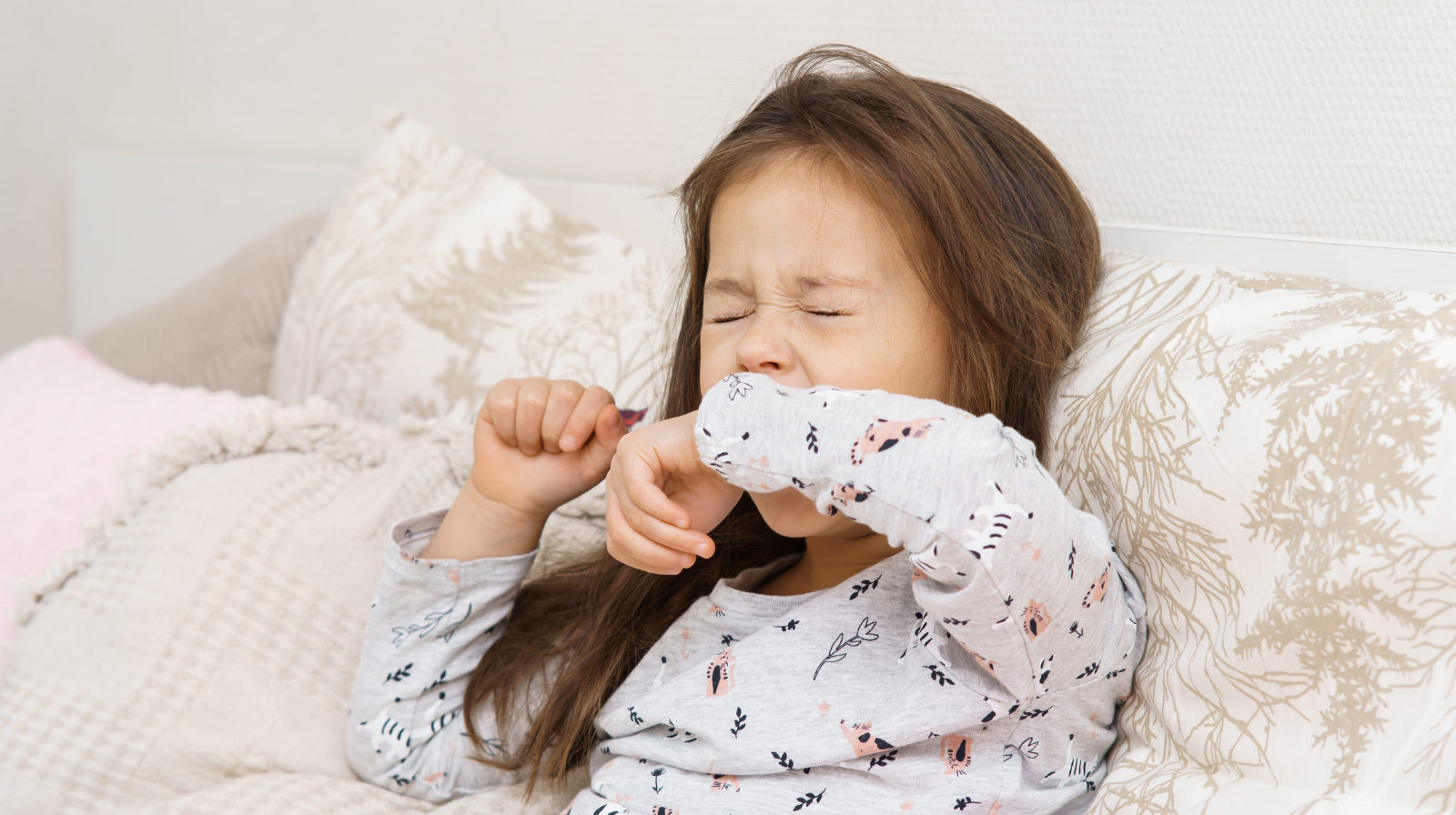
Best Ways to Treat Cough in Children During Sleep
Coughing is a natural reflex that helps clear mucus and irritants from the airways, but it quickly becomes a source of concern for parents, especially at night. While adults catch a cold 2 to 3 times a year, children can experience 6 to 8 episodes due to a lack of immunity against the hundreds of viruses in circulation. Although most colds resolve within two weeks, coughing remains the most troublesome symptom.
Causes of Cough in Children
- Common cold and flu: the most frequent cause.
- Gastroesophageal reflux: burning sensation, acidic taste, and recurrent cough.
- Asthma: coughing fits that worsen at night or during physical activity.
- Allergies or sinusitis: itchy throat, nasal discharge, watery eyes.
- Whooping cough: coughing spells followed by a deep inhalation known as the “whoop.”
- Bronchitis, pneumonia, or a foreign body in the airways.
Relieving Nighttime Cough
- Pure honey (after 12 months): one spoon before bedtime.
- Warm drinks: herbal teas to soothe the throat.
- Warm steam bath: 10–15 minutes to humidify the airways.
- Slightly elevating the head (≥ 18 months) to limit postnasal drip.
- Asthma treatment under medical supervision, if applicable.
Natural Home Remedies
- Honey & lemon: diluted in warm water to soothe and disinfect.
- Warm hydration: keeps the airways moist and helps thin secretions.
- Saline nasal solution: drops or spray to clear the nasal passages.
- Peppermint oil or menthol balm (≥ 2 years): gentle massage on the chest and neck to ease breathing and improve sleep.
Natural Home Remedies
-
Honey & lemon: diluted in warm water to soothe and disinfect.
-
Warm hydration: keeps the airways moist and helps thin secretions.
-
Saline nasal solution: drops or spray to clear the nasal passages.
-
Peppermint oil or menthol balm (≥ 2 years): gentle massage on the chest and neck to ease breathing and improve sleep.
Medications: When Should They Be Used?
Over-the-counter cough suppressants and syrups are not recommended before the age of 6 due to limited effectiveness and the risk of side effects. Always seek advice from a pediatrician, especially in cases of asthma or allergies.
Preventing Recurrent Colds
- Regularly disinfect toys and surfaces.
- Teach children proper handwashing.
- Avoid sharing utensils or glasses during infection.
- Ensure a balanced diet and sufficient sleep to strengthen immunity.
When Does a Cough Become Concerning?
Consult a doctor immediately if your child has:
- Breathing difficulties or wheezing.
- Bluish lips or face.
- Severe chest pain or blood in the cough.
- Fever above 40°C (104°F).
- An infant under 3 months coughing for several hours.
- A cough lasting more than 2 weeks or signs of dehydration.
Most cases of cough in children are mild; rest, hydration, and a few natural remedies are often sufficient. However, if symptoms worsen or persist, do not wait—seek reliable medical advice.
With Docdialy, book an in-person or teleconsultation in just a few clicks with a pediatrician or pulmonologist. Click “Book an appointment” and give your child the care they deserve, simply and safely.
Sources:
Safe home remedies for toddler cough
https://www.medicalnewstoday.com/articles/326301
Causes and Treatment of Coughs in Children
https://www.webmd.com/children/guide/treating-coughs
How Can I Stop My Child From Coughing?
https://www.medicinenet.com/how_can_i_stop_my_child_from_coughing/article.htm
Colds, coughs and ear infections in children
https://www.nhs.uk/conditions/baby/health/colds-coughs-and-ear-infections-in-children/