
All you need to know about fungal infections : Causes, symptoms, treatments and prevention
Fungal infections are infections caused by microscopic fungi that can affect different parts of the body. They are very common and can affect the skin, nails, mucous membranes and even internal organs in the most serious cases. In this article, we explore the causes, symptoms, treatments and prevention of fungal infections.
What causes fungal infections?
Mycoses develop mainly in warm, humid environments, which are ideal for fungus proliferation. The risk factors are as follows:
- Poor hygiene: Inadequate hygiene encourages the growth of fungi.
- Humidity: Wearing damp clothing or closed shoes for long periods.
- Weakened immune system: Immunocompromised people are more likely to develop fungal infections.
- Diabetes: Diabetes can favour fungal infections due to elevated blood sugar levels.
- Antibiotics and corticoids: Prolonged use of these drugs can unbalance the bacterial flora and favor fungal infections.
What are the symptoms of mycosis ?
Symptoms depend on the type of mycosis and the area affected:
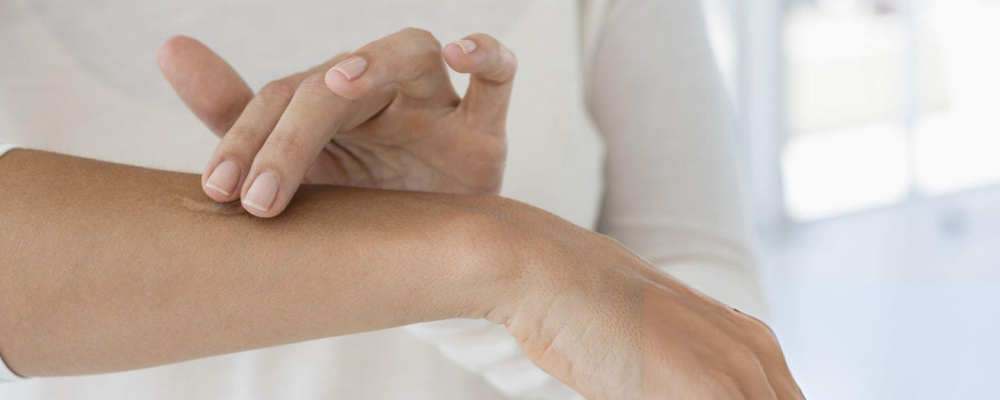
- Skin mycosis (dermatophytosis): Itching, redness, scaling and the appearance of round patches.
- Nail fungus (onychomycosis): discoloration, thickening, brittleness or deformation of nails.
- Vaginal mycosis (candidiasis): Itching, thick white vaginal discharge, burning sensation.
- Oral mycosis (thrush): White patches in the mouth, redness, pain when eating or swallowing.
- Athlete's foot: Cracks, scaling, itching between toes.
How to treat fungal infections?
Treatment depends on the type and severity of the infection:
- Topical antifungals: Creams, lotions or powders applied directly to the affected area.
- Oral antifungals: Tablets or capsules prescribed for severe or recurrent infections.
- Hygiene and local care: Keep the affected area clean and dry, avoid tight clothing and use antifungal products as a preventive measure.
How to prevent fungal infections ?
To prevent mycotic infections, it's a good idea to follow a few tips:
- Personal hygiene: Wash hands and body regularly.
- Dry thoroughly: Dry damp parts of the body thoroughly after showering.
- Wear breathable clothing: give preference to cotton garments and avoid synthetic materials.
- Appropriate footwear: Wear well-ventilated shoes and avoid walking barefoot in public places.
- Avoid sharing personal items: Don't share towels, shoes or nail scissors.
When should you consult a healthcare professional?
If your symptoms persist beyond two weeks, worsen, or are accompanied by worrying signs such as fever or intense pain, it's advisable to consult a dermatologist for an accurate diagnosis and appropriate treatment.
By understanding the causes, symptoms and treatments of mycosis, you'll be better prepared to manage and prevent these common infections. Don't forget to adopt good hygiene practices and consult a doctor if necessary for personalized advice.